
An 8,500 km² epicenter of biodiversity in the Zambezi River Basin.
A program of Associação NATURA Moçambique

In the Zambezi River Basin of central Mozambique – and Greater Gorongosa-Marromeu Landscape – lies the Macossa-Tambara Ecosystem, an almost forgotten epicenter of biodiversity.
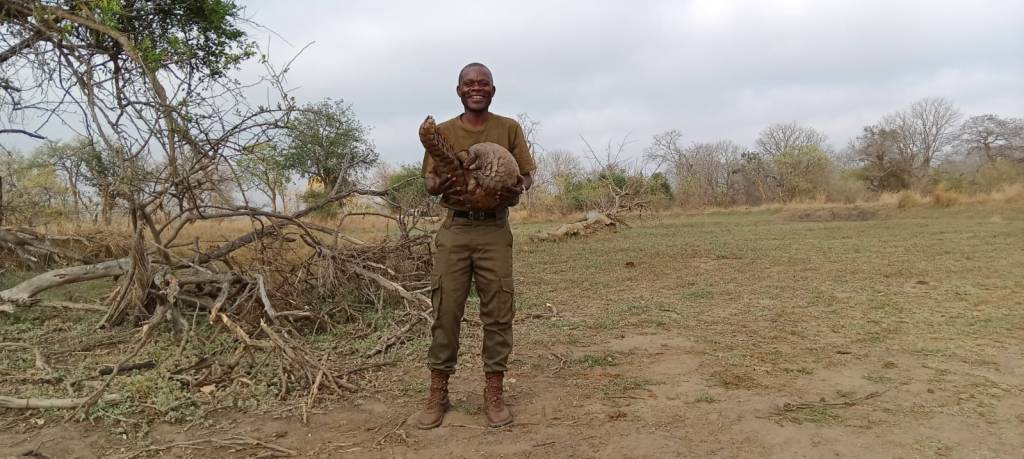
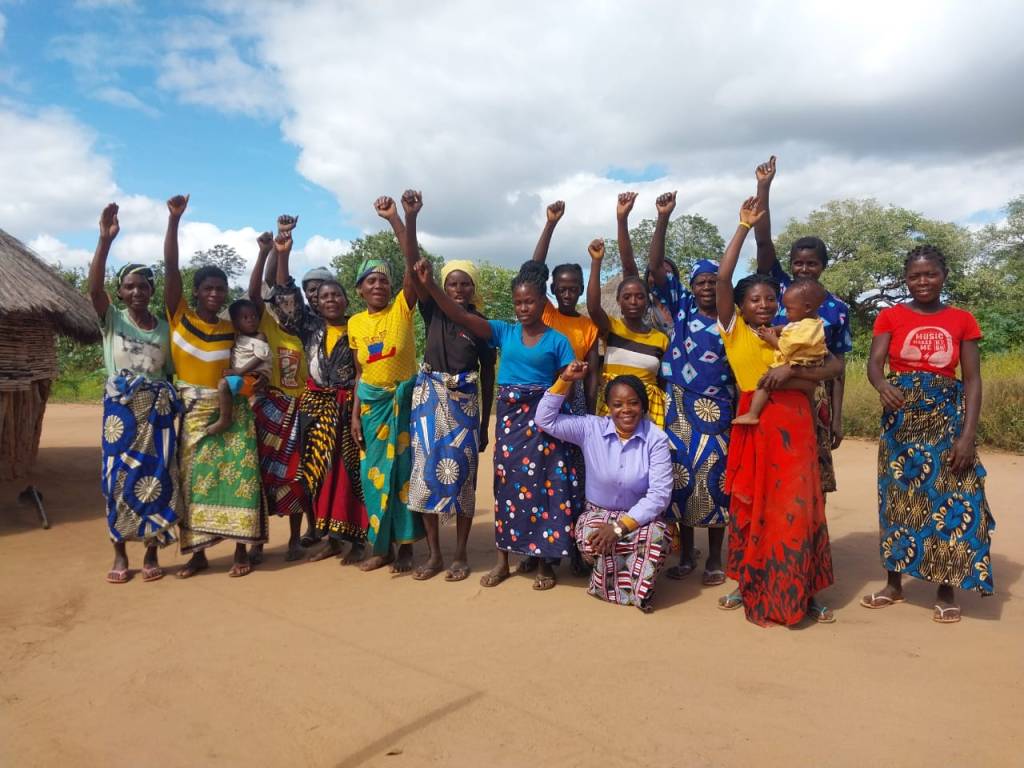
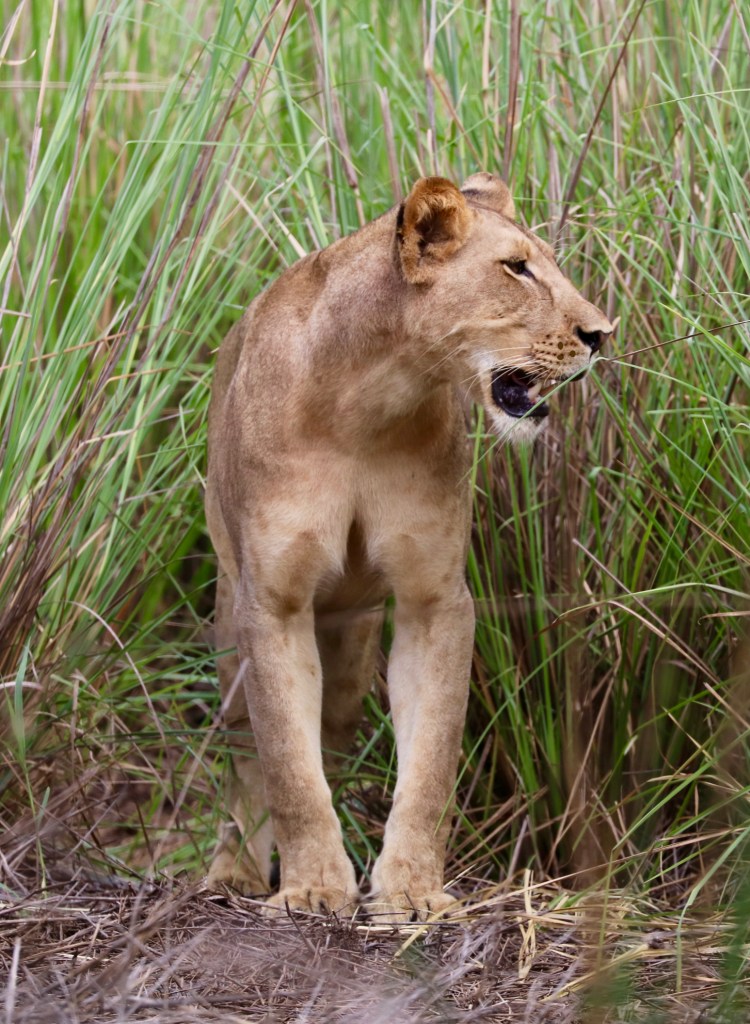
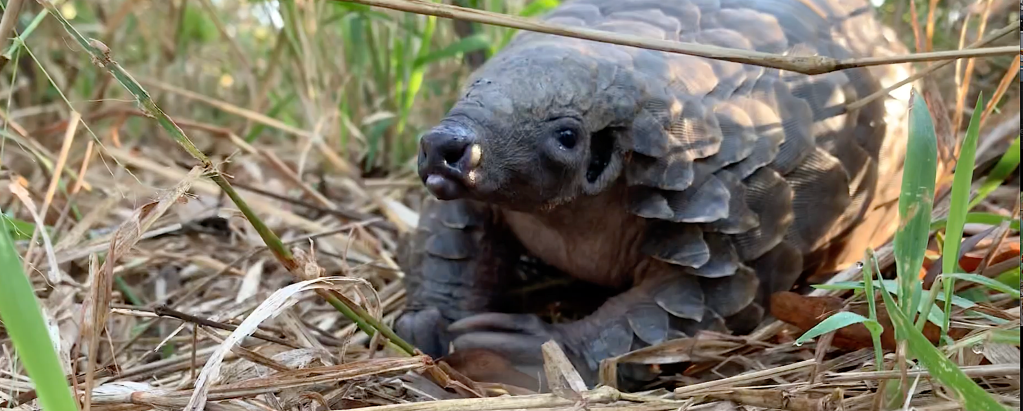
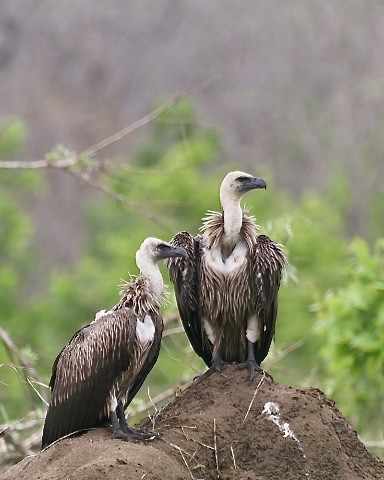
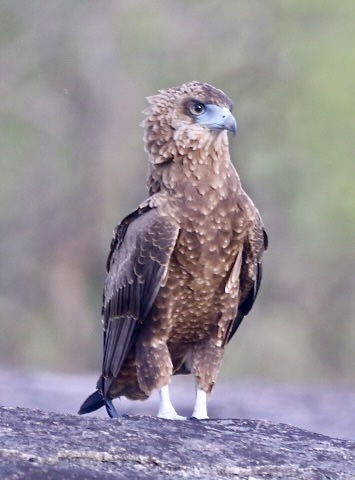
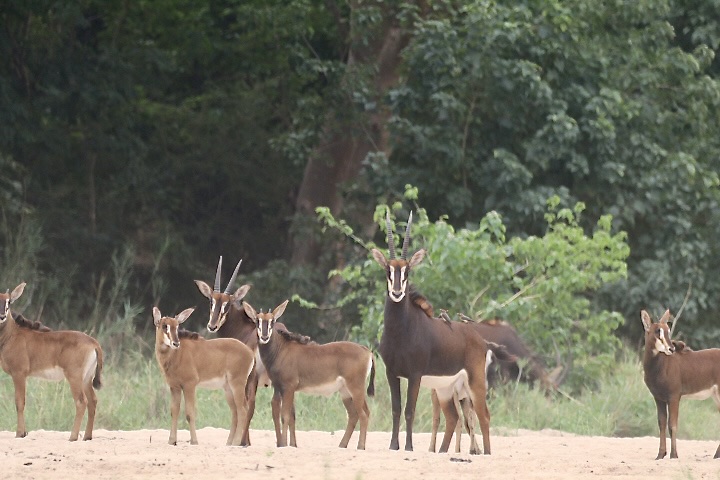
This vast landscape of subtropical Miombo forests and montane terrain is home to lions, leopards, savanna elephants, pangolins, the endemic Crawshay’s zebra, sable antelope, buffalo, endangered vultures, and more. It is also home to Indigenous and rural communities, whom these lands and rivers have sustained for centuries.
In 2024, Associação NATURA Moçambique and a collective of community, governmental, investor, and organizational partners committed to the long-term restoration and protection of this precious ecosystem. NATURA formed a consortium and entered a long-term agreement with the Government of Mozambique to lead the restoration and protection of the 4,800 km² “Block C13” in partnership with local communities. The area had been abandoned, without active investment, for a decade. Also in 2024, NATURA and Rio Save Safaris forged an MOU and agreed to strengthen work with communities and protections of the adjacent 3,800 km² Block C9.
Together, these areas form the Macossa-Tambara Ecosystem – a landscape roughly the size of Yellowstone or South Luangwa National Park, with one key difference: this is a shared and keystone landscape, not a national park, and is home to communities that have depended on the ecosystem for generations. It forms the western sector of the Greater Gorongosa-Marromeu Landscape, and the headwaters for multiple rivers essential to life in the adjacent national park.
By restoring and protecting this keystone landscape, improving the wellbeing of future generations, building nature-based economies that center women and climate justice, and training and empowering future environmental leaders, Macossa-Tambara aims to set a living example of what is possible when Mozambicans have the space to lead and innovate in safeguarding their nation’s biodiversity, and to help turn the tide on the loss of species, forests and rivers, and climate disruption.
Connecting a Keystone Landscape: the Greater Gorongosa-Marromeu
The Greater Gorongosa-Marromeu Ecosystem in central Mozambique is a vast, interconnected, keystone landscape stretching from the Manica Highlands and Zimbabwe border in the west to the Indian Ocean in the east. Gorongosa National Park sits at its center, and the Macossa-Tambara Ecosystem forms its western sector.
Water is life. And Macossa-Tambara is a hydrological lifeline to Gorongosa National Park, which lies to our south-east.
The headwaters of the Rio Nhadue rise in the Macossa-Tambara, a river that is the lifeblood of the park’s Lake Urema and the hydrological backbone of the national park’s ecology. Without the Rio Nhadue and Lake Urema, the park’s large-mammal populations would collapse.
Macossa-Tambara is also the source of the Rio Nhamapaza, which carries water and rich soils to thousands of families in the Urema-Zangue Depression /Zangue–Zambezi floodplains, and also to the national park’s Lake Urema.
The Urema-Zangue Depression is a major tectonic rift valley and the southernmost extension of the East African Rift System, the Great Rift Valley. Because the Zangue flows into both Lake Urema and the Zambezi, the depression is hydrologically connected to the lower Zambezi floodplain, where regular flooding and fertile soils create a highly productive landscape and an agricultural lifeline for smallholder farming communities across this region.

A Transformative Approach
Associação NATURA is a Mozambican non-profit organization committed to a straightforward but transformative idea: that the most effective and just environmental care, restoration and safeguarding happens when African experts, local communities, and women lead.
Founded in 2008, NATURA draws on more than 30 years of collective experience across marine and terrestrial ecosystems, community-based natural resource management, human rights and the rights of nature, and human-wildlife coexistence and peace-building.
We are proud members of the Global Alliance for the Rights for Nature.
Please check back soon as we are in the midst of a website transition in solidarity with the Boycott, Divestment, and Sanctions (BDS), #BDS.

